
Why Does My Tooth Hurt When I Bite Down?
Why Does My Tooth Hurt When I Bite Down?
Few things are more frustrating than taking a bite of your favorite meal only to feel a sharp pain in one tooth. Whether you're eating a crunchy snack, chewing steak, or simply biting down on a sandwich, tooth pain isn't something you should ignore.
Pain when biting down is one of the most common reasons patients visit our offices. Fortunately, there are many possible causes, and most can be treated successfully when diagnosed early.
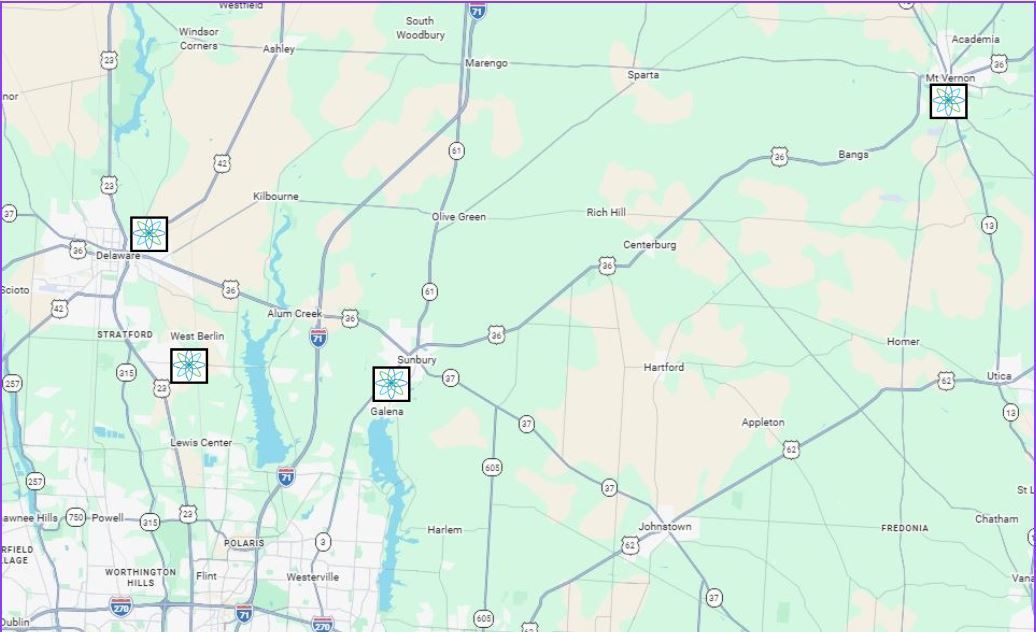
If you live in Sunbury, Delaware, Lewis Center, or Mount Vernon, Ohio, here's what you should know about why your tooth hurts when you bite down and when it's time to schedule an appointment.
Why Does It Hurt Only When I Bite?
When pressure is placed on your tooth, the surrounding ligaments, nerves, and supporting bone absorb that force. If any of these structures become irritated or damaged, biting down can trigger pain.
Sometimes the discomfort is mild and comes and goes. Other times it's sharp enough that you avoid chewing on one side of your mouth.
The important thing to remember is that pain is your body's warning signal. While the cause may be minor, delaying treatment can allow the problem to worsen.
Common Causes of Pain When Biting Down
1. A Cracked Tooth
One of the most common causes of pain when chewing is a cracked tooth.
Cracks aren't always visible, and some are so small they can't be seen without specialized dental equipment.
You may notice:
- Sharp pain while chewing
- Pain that comes and goes
- Sensitivity to cold
- Discomfort when releasing your bite
Small cracks may be repaired with a dental crown, while more severe fractures could require root canal therapy or extraction if left untreated.
2. A Cavity
Cavities don't always hurt in their early stages.
As decay progresses deeper into the tooth, chewing pressure can irritate the inner nerve, causing pain.
Other symptoms include:
- Tooth sensitivity
- Visible holes
- Brown or black spots
- Sweet sensitivity
- Food getting stuck
Treating cavities early often means a simple filling instead of more extensive treatment.
3. A Loose or Damaged Filling
Dental fillings are durable, but they don't last forever.
Over time they may:
- Wear down
- Crack
- Leak
- Loosen
When this happens, bacteria can enter beneath the filling and irritate the tooth.
Replacing an aging filling early can often prevent more serious damage.
4. A High Filling or Crown
Sometimes a new filling or crown sits slightly higher than the surrounding teeth.
Even a tiny difference in height can cause one tooth to absorb excessive pressure.
Fortunately, this is usually an easy fix. Your dentist can make a simple adjustment that often relieves the discomfort immediately.
5. A Dental Infection
If bacteria reach the tooth's nerve, the pulp can become infected.
As pressure builds inside the tooth, biting often becomes increasingly painful.
Signs of infection include:
- Lingering sensitivity
- Swelling
- Gum pimple
- Bad taste
- Facial swelling
- Severe toothache
In many cases, root canal treatment can remove the infection while saving your natural tooth.
6. Teeth Grinding (Bruxism)
Many people grind or clench their teeth while sleeping without realizing it.
Grinding places tremendous pressure on your teeth every night.
Over time this can lead to:
- Cracked teeth
- Sore jaw muscles
- Morning headaches
- Tooth sensitivity
- Pain while chewing
A custom night guard can help protect your teeth from further damage.
7. Gum Disease
Pain isn't always coming from the tooth itself.
Advanced gum disease can damage the bone and ligaments supporting your teeth.
As support is lost, teeth may become tender when biting or chewing.
Other warning signs include:
- Bleeding gums
- Persistent bad breath
- Loose teeth
- Receding gums
- Swollen gums
Early treatment greatly improves long-term outcomes.
Should I Be Worried?
Any tooth that hurts when biting deserves professional evaluation.
While the pain may come and go, many dental problems worsen silently.
Early diagnosis can often mean:
- Smaller fillings
- Less expensive treatment
- Faster appointments
- Better long-term outcomes
- Saving the natural tooth
Ignoring pain may allow infection or cracks to progress until more extensive treatment becomes necessary.
What Will My Dentist Look For?
During your visit, your dentist may:
- Review your symptoms
- Examine your teeth and gums
- Take digital X-rays
- Check existing fillings and crowns
- Test for cracks
- Evaluate your bite
- Assess the nerve health of the tooth
Once the cause is identified, your dentist will recommend the most appropriate treatment.
Treatment Options
Treatment depends entirely on what's causing the discomfort.
Possible treatments include:
Dental Filling
If decay is found early, removing the cavity and placing a tooth-colored filling may solve the problem.
Dental Crown
Cracked teeth and heavily restored teeth often benefit from crowns, which strengthen and protect the remaining tooth structure.
Root Canal Therapy
When the nerve becomes infected or inflamed beyond repair, root canal therapy removes the damaged tissue while preserving the tooth.
Bite Adjustment
If your bite is uneven or a restoration is too high, minor adjustments can restore comfortable chewing.
Periodontal Treatment
If gum disease is responsible, deep cleanings and periodontal therapy can improve the health of the supporting tissues.
Can the Pain Go Away on Its Own?
Sometimes the discomfort fades temporarily.
Unfortunately, this doesn't usually mean the underlying problem has healed.
A cavity may continue growing.
A crack may spread.
An infection may worsen.
The sooner treatment begins, the better the chances of avoiding more extensive dental work.
Tips While Waiting for Your Appointment
If you're experiencing pain:
- Chew on the opposite side of your mouth.
- Avoid very hard or sticky foods.
- Brush and floss gently around the affected tooth.
- Rinse with warm salt water if your gums are irritated.
- Take over-the-counter pain medication as directed, if appropriate for you.
- Contact your dentist if the pain becomes severe or you notice swelling, fever, or difficulty swallowing.
These measures may help you stay comfortable, but they do not treat the underlying cause.
Frequently Asked Questions
Why does my tooth hurt only when I chew?
Pressure from chewing can reveal problems such as a cracked tooth, cavity, loose filling, bite imbalance, or an infection.
Can a cracked tooth heal by itself?
No. Unlike bone, tooth enamel cannot regenerate. Early treatment can prevent the crack from worsening.
Should I go to the emergency room?
If you have significant facial swelling, difficulty breathing or swallowing, or signs of a spreading infection, seek emergency medical care immediately. Otherwise, contact your dentist as soon as possible for an evaluation.
Is pain when biting always a cavity?
No. While cavities are common, the pain can also be caused by cracks, gum disease, bite issues, worn restorations, or other dental conditions.
Don't Ignore Tooth Pain
If your tooth hurts every time you bite down, it's your body's way of telling you something isn't right. Many dental issues are easier—and less costly—to treat when caught early.
Whether the cause is a cavity, cracked tooth, bite problem, or infection, a prompt evaluation can help relieve your discomfort and protect your smile.
If you're looking for a trusted family dentist in Sunbury, Delaware, Lewis Center, or Mount Vernon, Ohio, our team is here to help. We provide comprehensive examinations, digital X-rays, and personalized treatment plans designed to get you back to eating comfortably and smiling with confidence.