
Blog

can a toothache go away on its own
toothache that comes and goes
why did my toothache stop hurting
tooth pain treatment
emergency dentist Sunbury Ohio
dentist Delaware Ohio
dentist Lewis Center Ohio
dentist Mount Vernon Ohio
cavity pain
infected tooth symptoms
toothache relief

tooth hurts when chewing
painful tooth when biting
cracked tooth symptoms
cavity pain
emergency dentist Sunbury Ohio
dentist Delaware Ohio
dentist Lewis Center Ohio
dentist Mount Vernon Ohio
tooth pain treatment
dental emergency Ohio
why does my tooth hurt when I bite down

Learn how gum health impacts overall wellness. Maintain healthy gums & prevent issues. Schedule your dental visit today!

Learn how often to visit the dentist for optimal oral health. Schedule your appointment today!

Avoid common dental mistakes that harm your oral health. Schedule an appointment for expert tips on brushing, flossing, & diet.
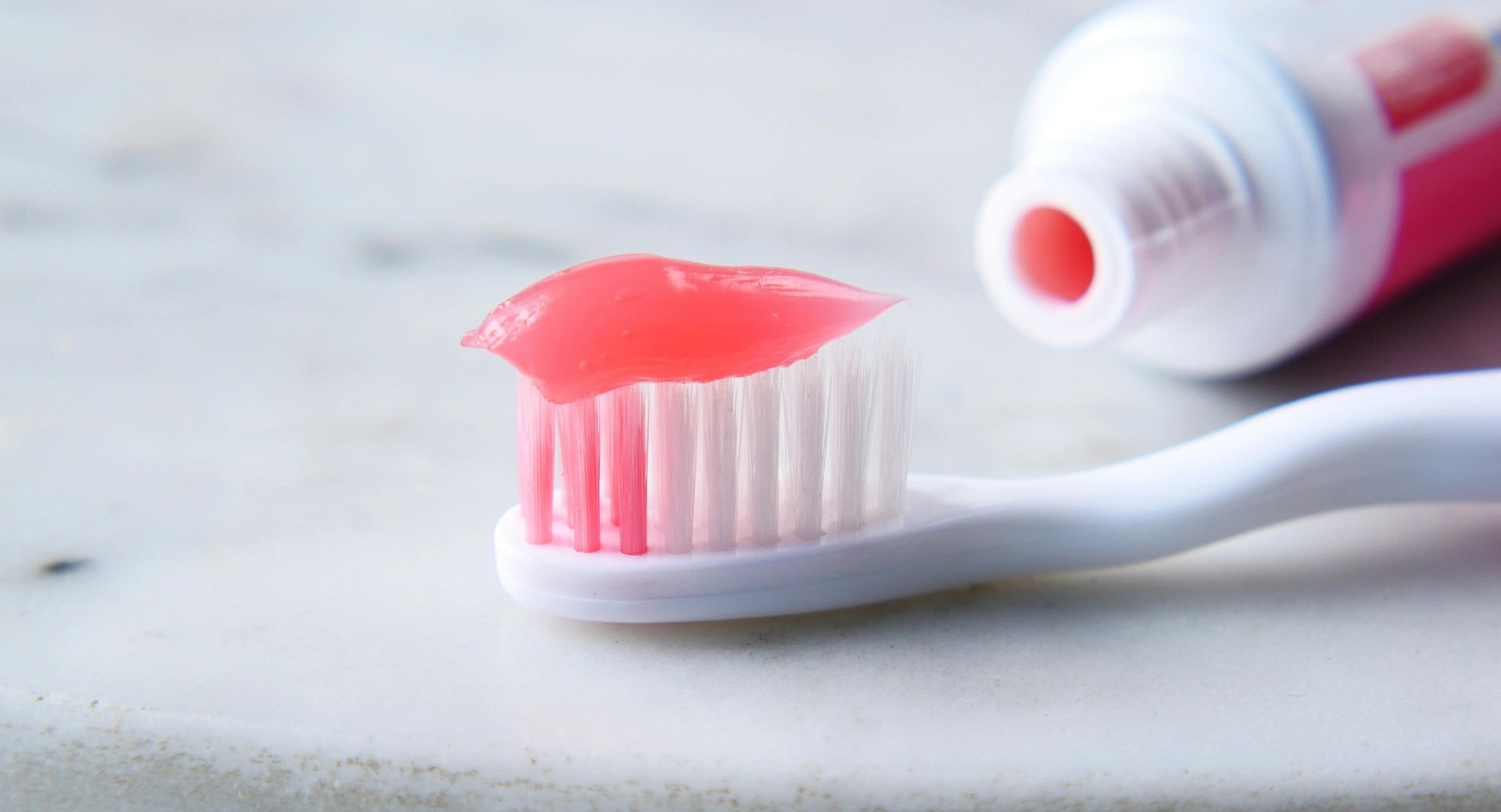
Learn how fluoride strengthens teeth & prevents cavities. Schedule your appointment for fluoride treatments today!
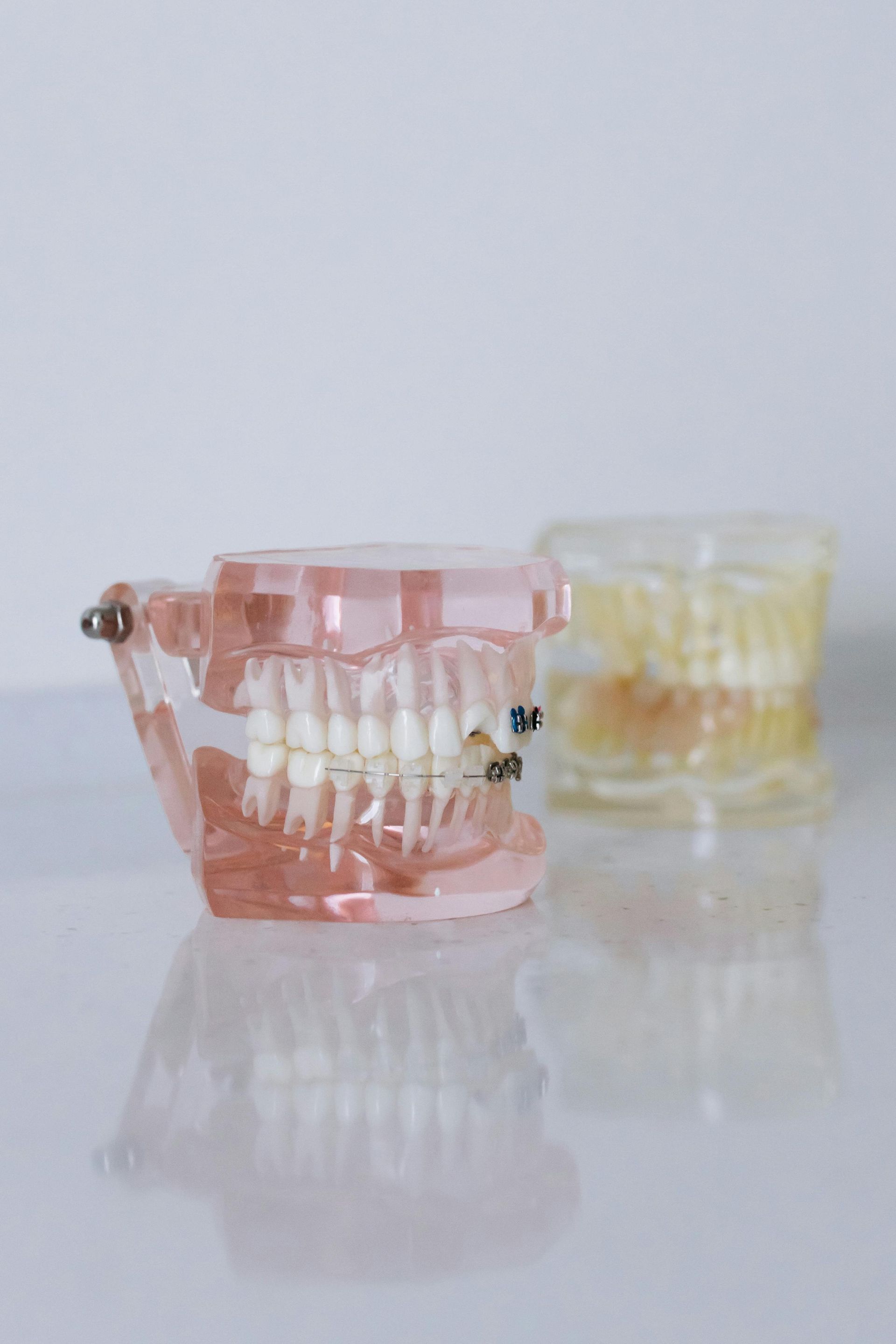
Aging doesn't mean you need dentures. Learn about dental care options & schedule your appointment today!
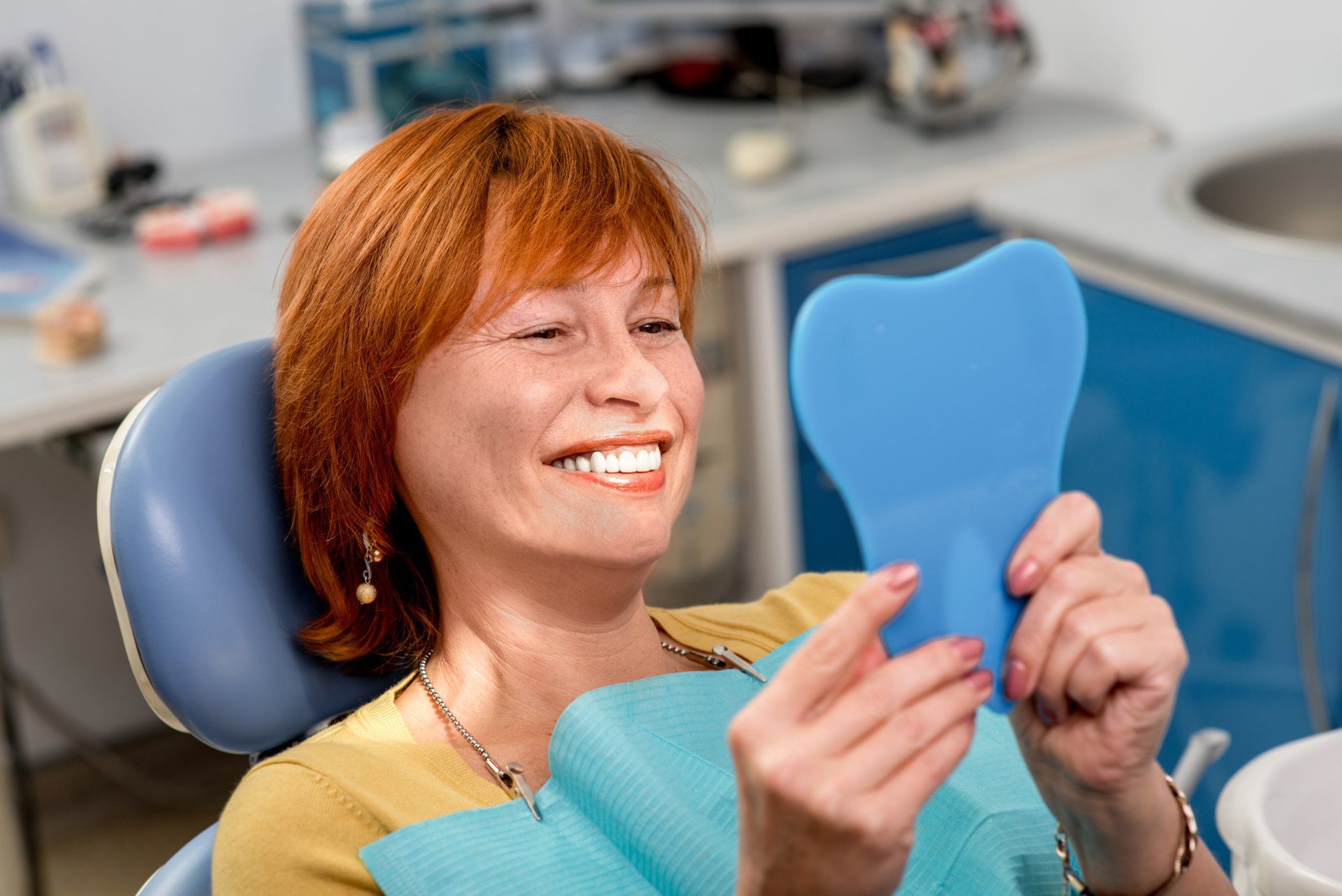
Know the Warning Signs of Dental Implant Failure A dental implant is a sensitive procedure that no one should take lightly. The operation is a safe and reliable way of bringing back your smile. If an implant is successful, it can last for more than 30 years with proper oral care and hygiene. Still, dental implants fail on rare occasions. Causes of Implant Failure There are several causes of dental implant failure. It is advisable to know about them to reduce the risk. They may stem from allergies or genetics, and the rest from bad habits or an amalgamation of all. However, the failure of dental implants may come from four main reasons. They include poor oral hygiene, early or late implant rejection, and the limitations of old implants. Each of these causes can result in implant failure. Some signs to look out for include: Difficulty Biting and Chewing A dental implant procedure should make chewing or biting comfortable. If there is any issue doing these, it is a warning that your implants may be failing. Like pain chewing or biting using ordinary teeth, this is a sign of cavities. Loose or Shifting Implants Professional dental implants feel normal in your mouth. They should never feel like something foreign. If the implants do not settle well on your gums, they may wobble when you eat, talk or touch them. Loose implants are easily among the most verifiable signs that something is wrong. Shifting or loose implants can cause more medical issues in your mouth. This sign is not a result of a successful procedure. In severe cases of shifting implants, your dentist will have to remove them to avoid more damage. You must immediately set an appointment with your dentist at the first sign of this condition. If you do not seek medical help, this can result in far-reaching consequences. It can severely damage your gums and mandibles that may go on to altering your smile. With this change in appearance, you may develop low self-esteem that eventually affects your daily life. Irritation of the Gums After a dental implant procedure, it is normal to experience pain, minor bleeding, bruising, and swelling of the gums. All these should dissipate within a few days. But if it does not, it should worry you. If your gums seem red and extremely puffy, it is a sign of infection. The infection can spread to your whole mouth without medical intervention. In severe circumstances, the contamination may move to your blood. An infection of this scale is hard to treat once it spreads. It also comes with intense pain, along with gum inflammation. Continuous Pain and Discomfort Pain while healing from the procedure is natural, though it may also be a sign of failure in dental implants. However, there is a way of telling the difference between the two. Healing pain lasts only for a few days after the procedure. It is not intense and responds well to prescription painkillers. Pain from a dental implant failure, on the other hand, is excruciating. It stems from throbbing waves that cause discomfort. The pain goes on longer than the other. To learn more about the warning signs of dental failure or book a visit, call Smile Center at (740) 417-9565 to reach our office in Delaware, Ohio.

Getting dental implants is a big step, and it’s essential that you feel fully prepared. This means finding the right implant dentist to carry out the work and finding out as much information as possible ahead of your procedure. It can all feel a little overwhelming, so to help, we’ve put together a list of questions that you should ask at your dental implant consultation appointment.

5 Ways COVID-19 Can Affect Your Mouth, Teeth, and Gums Your oral health has a strong connection to your general physical health. Recently, experts have been researching the effects of COVID-19 on the health of the mouth. According to studies, there is a connection between the two. Approximately two in every 10 patients with COVID-19 experience some form of oral health issue. This can be in the form of loss of taste or dry mouth. Here are five ways that COVID-19 can affect your oral health. Dry Mouth and COVID-19 Also known as xerostomia, dry mouth occurs when you do not have enough saliva to moisten your mouth. It makes it difficult to swallow food, wash away food particles, and break down food. It may be an early sign of COVID-19. A study in The Lancet noted it was the most common oral symptom reported by patients with the condition. However, experts have no conclusive reasons for this occurrence. They suggest the xerostomia may be due to the infection and damaging of the salivary glands by the SARS-Cov-2 virus. It could also be a side effect of the COVID-19 treatment or improper oral hygiene. Cracked Teeth and COVID-19 There has been a 53 percent increase in cracked and chipped teeth since the onset of the coronavirus pandemic. According to the American Dental Association, teeth grinding has also increased by 59 percent. Experts attribute this rise to heightened anxiety levels during the pandemic. They also suggest it is because of poor posture in work-from-home environments. They suggest poor posture and anxiety can cause people to grind their teeth and clench their jaws. These are involuntary actions caused by increased stress. Oral Ulcers and COVID-19 Like other viral infections, COVID-19 will impair your immune system, making you susceptible to other ailments. Some patients recovering from the condition have oral ulcers. In some, the ulcers appear thrush-like, while in others, they are vague. According to experts, ulcers may appear as white patches on the mouth, gums, or tongue roof. The symptoms are: Discomfort while drinking or eating Dull pain A burning sensation Red or white bumps in your mouth If they do not resolve independently in two weeks, you should consult your doctor. It could be a sign of another secondary infection. Taste and COVID-19 After getting COVID-19, many patients report impacts on their sense of smell and taste. Fortunately, nearly half of the patients experience a complete resolution or diminished signs after a month. However, the American Medical Association reported the persistence or worsening of the signs in about 12 percent of the patients after one month. They suggest it is because of the damage to the sustentacular cells that cover the taste buds. Access to Oral Healthcare and COVID-19 Oral health is an integral part of your overall health. For this reason, access to oral healthcare is essential. However, the coronavirus pandemic limited access to dental practices except in the case of emergencies. This affects your dental health and your overall health. For more on the effects of COVID-19 on oral health or to book a visit call Smile Center at (740) 417-9565 to reach our office in Delaware, Ohio.